


🌿 1. What is Ayurveda?
Ayurveda is an ancient medical science whose meaning is profound in itself.
The word “Ayurveda” is made up of two Sanskrit words:
Ayus (आयुस्) = Life
Veda (वेद) = Knowledge
Thus, Ayurveda means — “The Knowledge of Life” or “The Art of Living Life Properly” 🌱
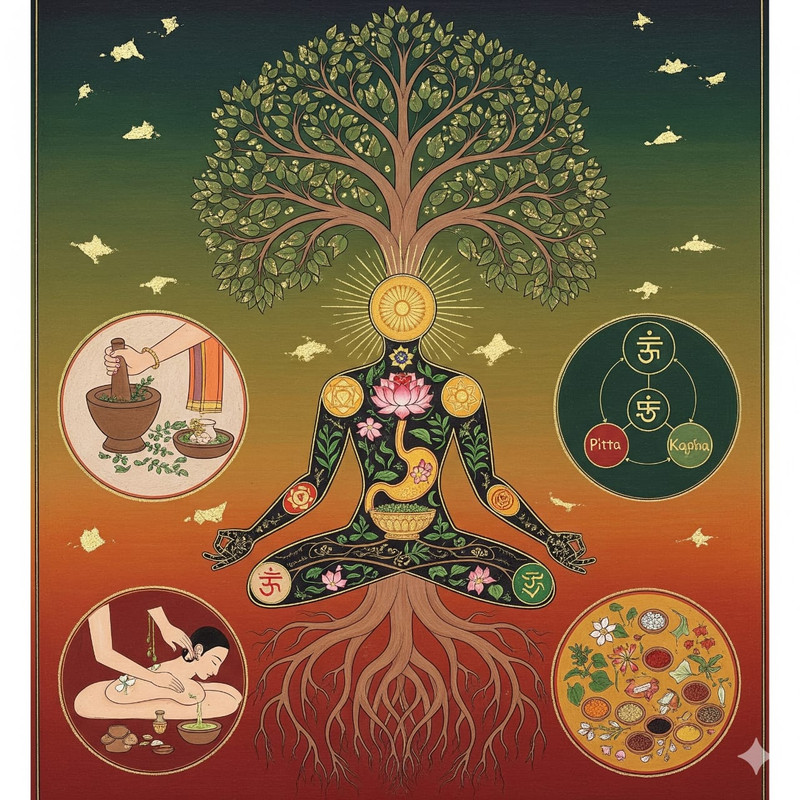
Ayurveda is not just a remedy when diseases occur, but a complete lifestyle based on the balance between body, mind, and soul.
💡 Treatment in Ayurveda is not only through medicines, but also through:
🥗 Diet (Aahar)
🧘♂️ Behavior (Vyavhaar)
⏰ Daily Routine (Dincharya)
🌿 When this balance is disturbed, diseases occur. ❌
According to Ayurveda:
🌱 When there is balance in body, mind, and soul, a person is healthy. ✅
🌱When this balance is disturbed, diseases occur. 🌿
Hence, Ayurveda is called a “Natural Healing System”, which connects every human being with nature and guides them to live a healthy and long life 🌿💚
हिंदी अर्थ: 👉️

1. आयुर्वेद क्या है?🌿
आयुर्वेद एक प्राचीन चिकित्सा विज्ञान है, जिसका अर्थ स्वयं में बहुत गहरा है।
“आयुर्वेद” शब्द दो संस्कृत शब्दों से मिलकर बना है:
🌱 आयुस (Ayus) = जीवन
🍃 वेद (Veda) = ज्ञान
इस प्रकार, आयुर्वेद का अर्थ है — “जीवन का ज्ञान” या “सही तरीके से जीवन जीने की कला” 🌱
आयुर्वेद केवल रोग होने पर इलाज नहीं है, बल्कि यह शरीर, मन और आत्मा के संतुलन पर आधारित सम्पूर्ण जीवन शैली है।
💡 आयुर्वेद में उपचार केवल दवाओं से नहीं, बल्कि निम्न तरीकों से भी किया जाता है:
🥗 आहार (Diet / Aahar)
🧘♂️ व्यवहार (Behavior / Vyavhaar)
⏰ दैनिक दिनचर्या (Daily Routine / Dincharya)
🌱 जब शरीर, मन और आत्मा में संतुलन होता है, तो व्यक्ति स्वस्थ होता है। ✅
🌿 जब यह संतुलन बिगड़ता है, तो रोग उत्पन्न होते हैं। ❌
🌿 2. Origin of Ayurveda
The roots of Ayurveda are found in the Vedas. Especially in the Rigveda and Atharvaveda, mantras related to plants, medicines, and disease prevention are mentioned. Therefore, it is said that the fundamental knowledge of Ayurveda came from the Vedas, and "Brahma Ji, the creator of the Vedas, is considered the first knower of Ayurveda". 🌱

🙏 According to Hinduism, Lord Dhanvantari is regarded as the father of Ayurveda.
It is said that during the Samudra Manthan, when the amrit kalash emerged from the ocean, Dhanvantari Ji appeared with amrit and the knowledge of Ayurveda. Hence, he is called the “Physician of the Gods” 🌿
🎉 Even today, Dhanvantari Jayanti is celebrated in his memory, also known as Ayurveda Day.
Thus, Ayurveda is not just a medical method, but a divine Knowledge initially given to rishi-munis to pass on to humanity 🌱💚
हिंदी अर्थ: 👉️
2. आयुर्वेद की उत्पत्ति 🌿
आयुर्वेद की जड़ें वेदों में पाई जाती हैं। विशेष रूप से ऋग्वेद और अथर्ववेद में पौधों, औषधियों और रोग निवारण से संबंधित मंत्रों का उल्लेख है। इसलिए कहा जाता है कि आयुर्वेद का मूल ज्ञान वेदों से आया, और वेदों के निर्माता ब्रह्माजी को आयुर्वेद का पहला ज्ञाता माना जाता है। 🌱
🙏 हिंदू धर्म के अनुसार, भगवान धन्वंतरि को आयुर्वेद का पिता माना जाता है।
कहा जाता है कि समुद्र मंथन के दौरान जब अमृत कलश समुद्र से प्रकट हुआ, धन्वंतरि जी अमृत और आयुर्वेद के ज्ञान के साथ प्रकट हुए। इसलिए उन्हें “देवताओं के चिकित्सक” कहा जाता है। 🌿
🎉 आज भी उनकी स्मृति में धन्वंतरि जयंती मनाई जाती है, जिसे आयुर्वेद दिवस भी कहा जाता है।
इस प्रकार, आयुर्वेद केवल एक चिकित्सा पद्धति नहीं है, बल्कि प्रारंभ में ऋषि-मुनियों को दिया गया एक दिव्य ज्ञान (Gyaan) है, जिसे उन्होंने मानवता तक पहुँचाया। 🌱💚
3.Knowledge of Ayurveda: Form Dhanvantari to Rishi-Muni

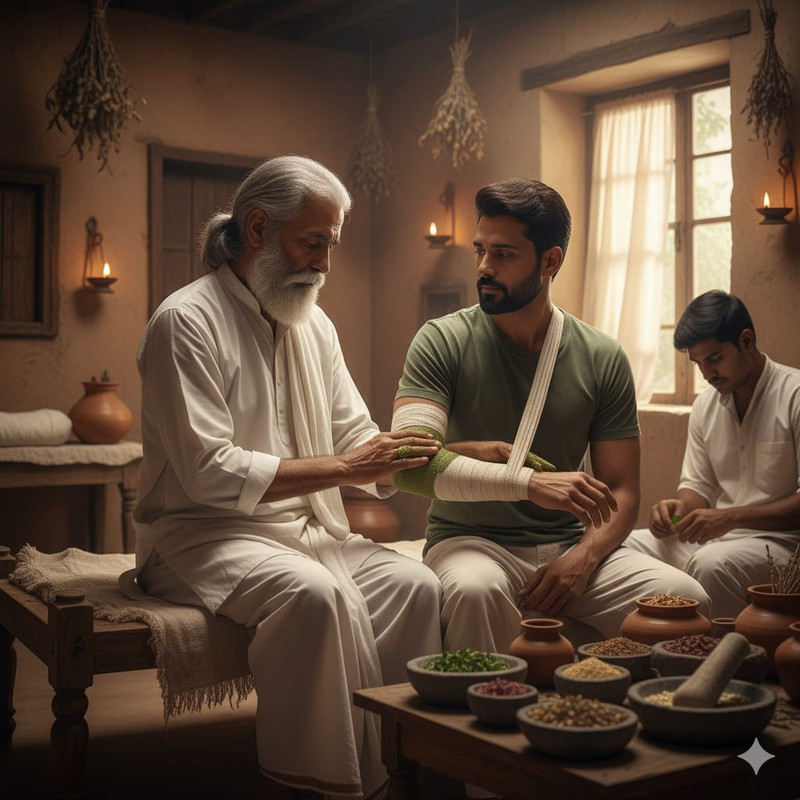
Lord Dhanvantari first gave the knowledge of Ayurveda to the rishi-munis. These rishi-munis then taught their disciples, and gradually the knowledge of Ayurveda spread through the guru-shishya tradition 🌱
🍃 Acharya Sushruta – wrote Sushruta Samhita, detailing surgery and plastic surgery.
🌱 Acharya Atreya – teachers of Ayurveda, whose disciples learned medicine and wrote texts.
🌿 Acharya Kashyapa – wrote Kashyapa Samhita, focused on child and women care.
Thus, the knowledge of Ayurveda given by Lord Dhanvantari came in written form through rishi-munis and has been preserved till today 🌱💚
हिंदी अर्थ: 👉️
3.आयुर्वेद का ज्ञान: धन्वंतरि से ऋषि-मुनि तक📜
भगवान धन्वंतरि ने आयुर्वेद का ज्ञान सबसे पहले ऋषि-मुनियों को दिया। यही ऋषि-मुनि अपने शिष्यों को शिक्षा देते गए, और धीरे-धीरे आयुर्वेद का ज्ञान गुरु-शिष्य परंपरा के जरिए फैलता गया 🌱
इस प्रकार, भगवान धन्वंतरि द्वारा दिया गया आयुर्वेद का ज्ञान ऋषि-मुनियों के माध्यम से लिखित रूप में आया, और आज तक संरक्षित है 🌱💚
🌿 4. Ayurvedic Texts (Classical ग्रंथ)📖
The rishi-munis who received knowledge from Dhanvantari Ji preserved it in written form as Ayurvedic texts.Some of the main Vedic Scripture ( ग्रंथ ) among them are as follows:

हिंदी अर्थ: 👉️
4. आयुर्वेदिक ग्रंथ (क्लासिकल टेक्स्ट्स) 🌿
ऋषि-मुनियों ने, जिन्होंने धन्वंतरि जी से ज्ञान प्राप्त किया, उसे लिखित रूप में संरक्षित किया।उनमेसे कुछ मुख्य ग्रंथ हैं:

🌿 चरक संहिता📖
🌱 लेखक: आचार्य चरक
🍃 विषय: चिकित्सा और उपचार पद्धतियाँ
🌿 संस्कृत उद्धरण: “त्रयो दोषाः समाहिता देहिनां सुखहेतवः” (सूत्र स्थान 1/57)
🌱 अर्थ: “तीन दोष (वात, पित्त, कफ) ही शरीर के सुख और दुख का मूल कारण हैं।”
🍃 संरचना: 8 स्थान, 120 अध्याय
🌿 सामग्री: 300+ रोग, 2000+ औषधियाँ, 1500+ उपचार
🌱 विशेषता: कारण, लक्षण और उपचार का विस्तृत विवरण; मुख्यतः आंतरिक चिकित्सा (Kaya Chikitsa) 🩺🌿
🌿 सुश्रुत संहिता📖
🌱 लेखक: आचार्य सुश्रुत
🍃 विषय: शल्य चिकित्सा (Shalya Chikitsa)
🌿 संस्कृत उद्धरण: “शस्त्रकर्मणि दक्षः शल्यचिकित्सकः” (सूत्र स्थान 5/48)
🌱 अर्थ: “जो शल्य तकनीकों में निपुण है, वही सही चिकित्सक माना जाता है।”
🍃 संरचना: 6 स्थान, 186 अध्याय
🌿 सामग्री: 300+ शल्य प्रक्रियाएँ, 120+ औजार, 100+ रोग
🌱 विशेषता: प्लास्टिक सर्जरी और शल्य चिकित्सा का विवरण 🔪🩹
🌿 अष्टांग हृदयम्📖
🌱 लेखक: आचार्य वाग्भट
🍃 विषय: आयुर्वेद की 8 शाखाएँ – शरीर रचना, उपचार, रोग विवरण, दैनिक और मौसमी नियम, आहार और जीवनशैली
🌿 संस्कृत उद्धरण: “आरोग्यं मूलं उत्कृष्टं धर्मार्थकाममोक्षाणाम्” (सूत्र स्थान 1/1)
🌱 अर्थ: “स्वास्थ्य ही धर्म, अर्थ, काम और मोक्ष की नींव है।”
🍃 संरचना: 6 स्थान, 120 अध्याय
🌿 सामग्री: 700+ रोग, 500+ औषधियाँ, 150+ चिकित्सा पद्धतियाँ
🌱 विशेषता: पूर्व ग्रंथों का व्यापक सारांश, व्यावहारिक शैली में लिखा गया 🌱💊
🌿 अन्य ग्रंथ📖
📜 अष्टांग संह graha (आचार्य वाग्भट)
📖 मधव निदान (आचार्य माधवकर)
🌿 शरणगधर संहिता (आचार्य शरणगधर)
🌱 भावप्रकाश (आचार्य भावमिश्र)
👉 ये केवल कुछ उदाहरण हैं; आयुर्वेद विशाल है, और ये ग्रंथ उस सागर के मोती हैं 🌊✨🍃
5. The Journey of Ayurveda – From Ashram to University 🌿
Initially, rishi-munis taught their disciples Ayurveda in ashrams. They wrote down what they received from Dhanvantari so that future generations could also benefit from this knowledge.
With time, Ayurveda was no longer confined to forests and ashrams.
Kings and emperors adopted it, having royal physicians (Rajvaidya) who treated soldiers as well as common people ⚔️👑

🌿 Vatika = Hospital campus with treatment facilities
🌱 Vaidya (Doctor) = Diagnoses and treats diseases
🍃 Paricharika (Nurse) = Takes care of patients
🌿 Aushadhi-Griha (Pharmacy) = Prepares medicines from herbs
This system made Ayurveda an organized healthcare system.
Later, during the Maurya and Gupta periods, Ayurveda reached its Golden Age. Universities like Nalanda and Takshashila became centers for Ayurvedic education. Students from across India and abroad came to learn both theory and practical medicine.
Foreign travelers also recorded their observations:
🌱 Xuanzang (Hiuen Tsang, 7th century) – documented Ayurveda and hospital systems in Great Tang Records on the Western Regions
हिंदी अर्थ: 👉️
5. आयुर्वेद की यात्रा – आश्रम से विश्वविद्यालय तक 🌿
सबसे
पहले,
ऋषि-मुनि अपने शिष्यों को आश्रमों में आयुर्वेद का
ज्ञान
देते
थे।
उन्होंने जो
कुछ
धन्वंतरि से
प्राप्त किया,
उसे ग्रंथों
में लिखा, ताकि
आने
वाली
पीढ़ियाँ भी
इसका
लाभ
उठा
सकें।
समय बदलते हुए, आयुर्वेद केवल वन और आश्रम तक सीमित नहीं रहा। राजाओं और महाराजाओं ने इसे अपनाया, उनके दरबारों में राजवैद्य होते जो सिपाहियों का इलाज करते और आम जनता की भी सेवा करते।⚔️👑
⏳ कुछ राज्यों ने अपनी औषधि-वाटिकाएं (हर्बल गार्डन) बनवाई। ये केवल बाग नहीं थीं; ये व्यवस्थित स्वास्थ्य केंद्र थे जहां जड़ी-बूटियों से औषधियां तैयार की जाती थीं:

वाटिका (SevaKendra/Hospital) = अस्पताल परिसर
वैद्य (Vaidya/Doctor) = रोगों का निदान और उपचार
परिचारिका (Paricharika/Nurse) = मरीजों की देखभाल
औषधि-गृह (Aushadhi-griha/Pharmacy) = जड़ी-बूटियों से दवाइयां बनाना
इस
व्यवस्था ने
आयुर्वेद को
एक संगठित
स्वास्थ्य प्रणाली बना
दिया।
बाद में, मौर्य और गुप्त काल में, आयुर्वेद का गोल्डन दौर आया। नालंदा और तक्षशिला जैसे विश्वविद्यालय आयुर्वेद के महाकेंद्र बन गए। देश-विदेश से विद्यार्थी आते और सिद्धांत और व्यावहारिक चिकित्सा सीखते।
विदेशी
यात्रियों ने
भी
अपने
अनुभव
दर्ज
किए:
👉 ये प्रमाण बताते हैं कि आयुर्वेद भारत से बाहर विश्व तक फैला।🌍✨
-----------------------------------------------------------------------------------------------------------------------------
6. Key Principles of Ayurveda – Detailed Explanation 🌿
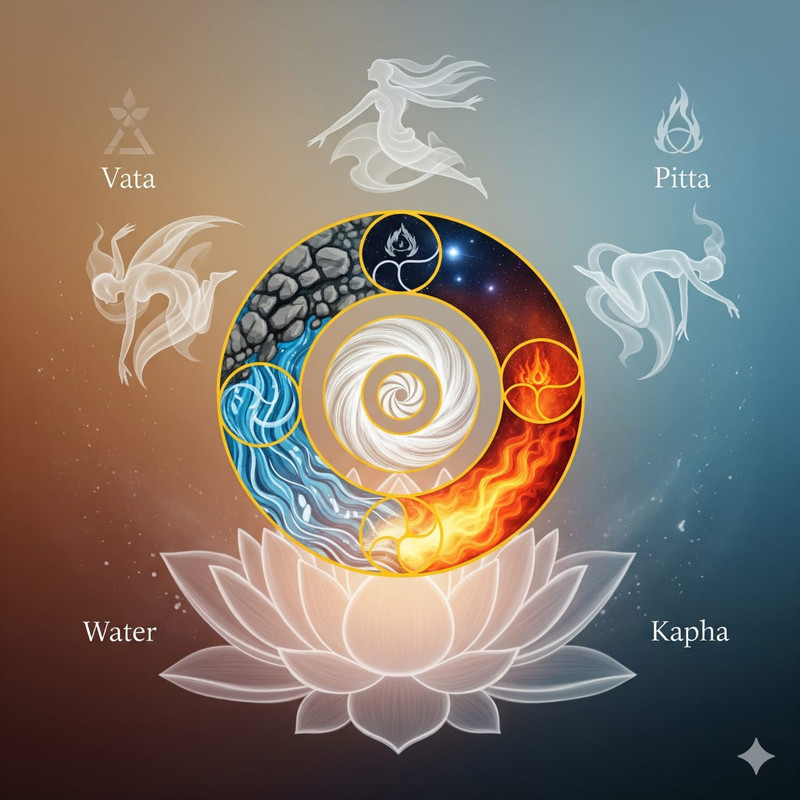
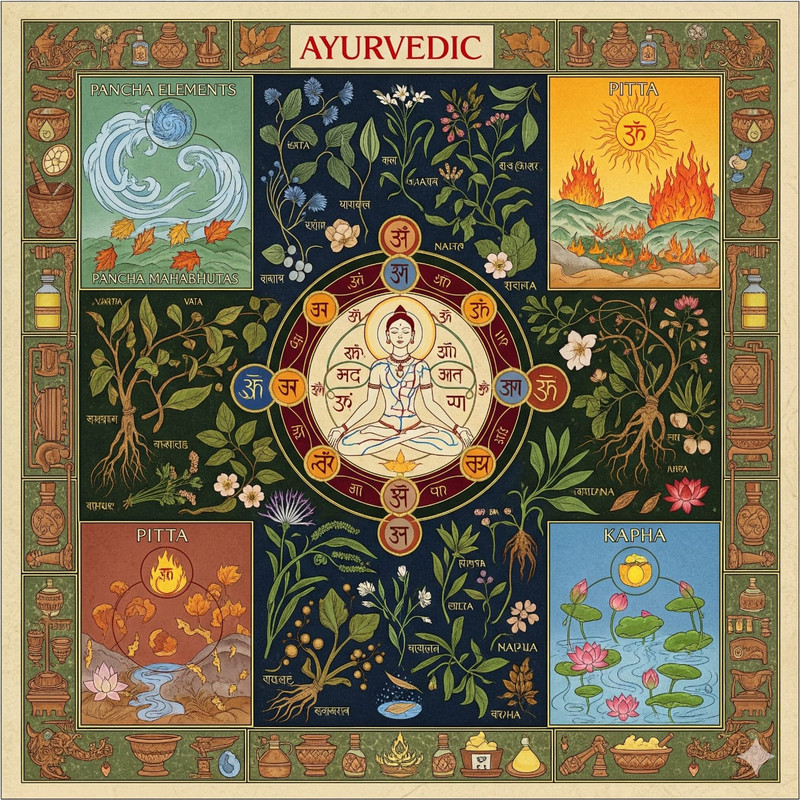
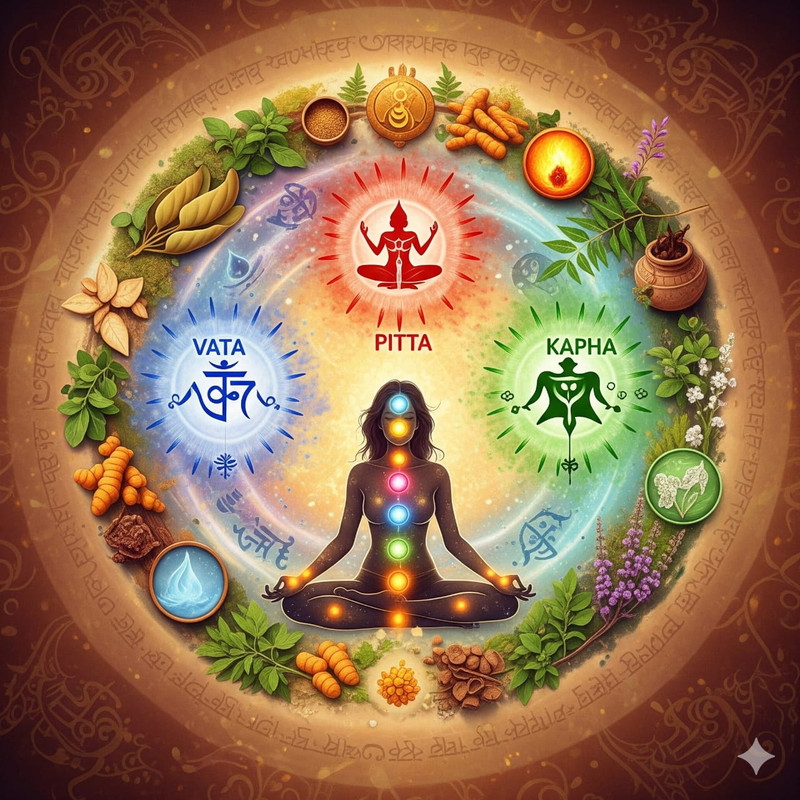
Core principles of Ayurveda: Health depends on the balance between body, mind, and soul. This balance is based on Panchamahabhuta (five elements) and Tridosha (three doshas), which help understand personal constitution and disease prevention.

🌱 1. Panchamahabhuta (Five Elements)
The human body and nature are composed of five elements, controlling structure, function, and movement:🌿 Prithvi (Earth) – tissues, bones, stability
🌱 Jal (Water) – fluids, lubrication
🍃 Agni (Fire) – digestion, metabolism, energy
🌿 Vayu (Air) – circulation, movement, nervous functions
🌱 Akash (Ether/Space) – empty spaces, sound, communication
📜 Reference: Charaka Samhita, Sutra Sthana 1/12 – “सृष्टिः पंचभूतानि”
🌿 Meaning: Creation is made of five elements
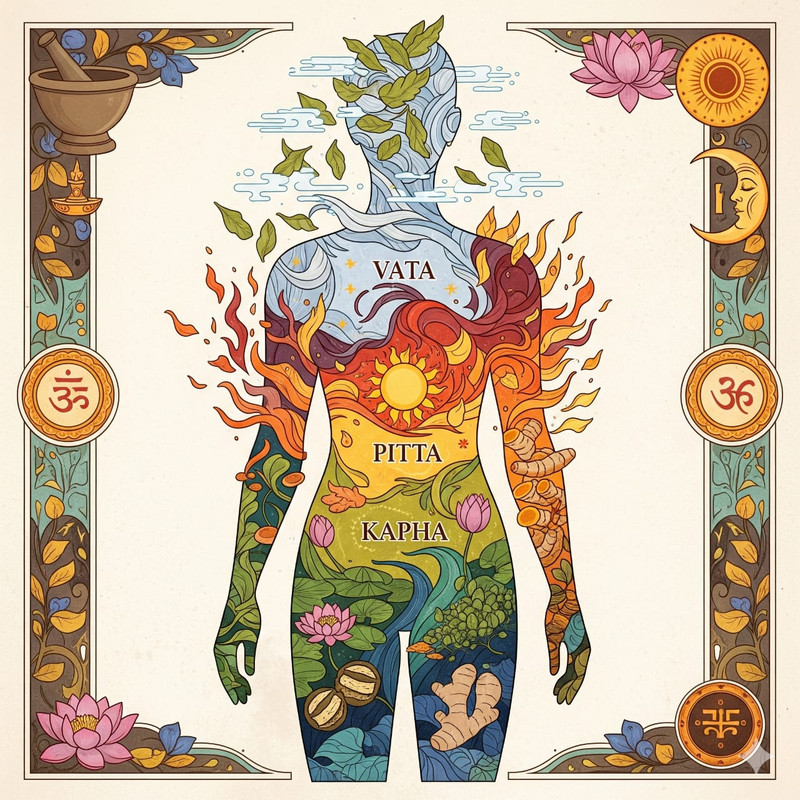
🌿 2. Tridosha Theory (Vata, Pitta, Kapha)
🌱 Vata – movement, nervous system
🍃 Pitta – metabolism, energy, digestion
🌿 Kapha – structure, stability, immunity
📜 Reference: Charaka Samhita, Sutra Sthana 1/40 – “त्रयः दोषाः प्रकृतिविन्यासः”
🌿 Meaning: Three doshas control the constitution
💡 Ayurvedic Insight:
🌱 Balanced doshas = Healthy ✅
🌿 Imbalanced doshas = Disease ❌
🍃 Diet, lifestyle, daily & seasonal routines help maintain balance
🌿 3. Health = Balance, Disease = Imbalance
📜 Reference: Charaka Samhita, Sutra Sthana 1/41 – “संतुलितदोषैः सम्पूर्णः स्वास्थ्यं प्राप्यते”
🌿 Meaning: Complete health comes from balanced doshas
📜 Reference: Sushruta Samhita, Sutra Sthana 15/12 – “दोषविचलनात् रोगः”
🌿 Meaning: Disease arises from dosha imbalance
💡 Ayurvedic Insight:
Each individual’s constitution is unique; therefore, treatment and lifestyle must be personalized 🌱💚
हिंदी अर्थ: 👉️
6. आयुर्वेद के मुख्य सिद्धांत – विस्तृत व्याख्या 🌿
आयुर्वेद के मूल सिद्धांत: स्वास्थ्य शरीर, मन और आत्मा के बीच संतुलन पर
निर्भर
करता
है।
यह
संतुलन पंचमहाभूत
और त्रिदोष पर
आधारित
है,
जो प्रकृति
और रोग निवारण समझने
में
मदद
करते
हैं।
1. पंचमहाभूत (5 तत्व)
शरीर
और
प्रकृति पांच तत्वों से
बने
हैं,
जो
संरचना,
कार्य
और
गति
को
नियंत्रित करते
हैं:
पृथ्वी (Earth) – धातु, हड्डी, स्थिरता
जल (Water) – शरीर के रस, नमी
अग्नि (Fire) – पाचन, ऊर्जा
वायु (Air) – संचालन, गति, तंत्रिका कार्य
आकाश (Ether/Space) – शरीर में खाली स्थान, ध्वनि और संचार
संदर्भ: चरक संहिता,
सूत्रस्थान 1/12 – “सृष्टिः पंचभूतानि”
अर्थ: सृष्टि पंचमहाभूतों से
बनी
है।
2. त्रिदोष सिद्धांत (वात, पित्त, कफ)
वात – गति, तंत्रिका तंत्र
पित्त – पाचन, ऊर्जा, चयापचय
कफ – संरचना, स्थिरता, प्रतिरक्षा
संदर्भ: चरक संहिता,
सूत्रस्थान 1/40 – “त्रयः दोषाः
प्रकृतिविन्यासः”
अर्थ: तीन दोष
शरीर
की
प्रकृति को
नियंत्रित करते
हैं।
आयुर्वेदिक ज्ञान:
संतुलित दोष = स्वस्थ
असंतुलित दोष = रोग
आहार, जीवनशैली, दिनचर्या और ऋतुकाल संतुलन बनाए रखते हैं
3. स्वास्थ्य = संतुलन, रोग = असंतुलन
📜संदर्भ: चरक संहिता, सूत्रस्थान 1/41 – “संतुलितदोषैः सम्पूर्णः स्वास्थ्यं प्राप्यते” अर्थ: संतुलित दोष
से
ही
सम्पूर्ण स्वास्थ्य प्राप्त होता
है।
अर्थ: दोष के
बिगड़ने से
ही
रोग
उत्पन्न होते
हैं।
💡आयुर्वेदिक अंतर्दृष्टि:
हर
व्यक्ति की
प्रकृति अलग
होती
है;
इसलिए उपचार और जीवनशैली
व्यक्तिगत होनी
चाहिए।

7. Conclusion – The Core Message of Ayurveda 🌿
Ayurveda is not just a medical system but a way of life based on balance between body, mind, and soul. 🌱
From rishi-munis to royal courts and universities, Ayurveda has evolved and continues to guide us to live in harmony with nature 🌿💚
💡 Key Takeaways:
🌱 Health Mantra: Balance of body, mind, and soul
🍃 Foundation: Panchamahabhuta and Tridosha
🌿 Cause of Disease: Disturbed balance
🌱 Treatment: Diet, lifestyle, daily & seasonal routine, natural therapies
Ayurveda always emphasizes living with nature, preventing diseases, and maintaining health naturally 🌿✨
हिंदी अर्थ: 👉️
7. निष्कर्ष – आयुर्वेद का मुख्य संदेश 🌿
आयुर्वेद केवल एक चिकित्सा प्रणाली नहीं है, बल्कि शरीर, मन और आत्मा के संतुलन पर आधारित जीवन जीने की कला है 🌱
ऋषि-मुनियों से लेकर राज दरबार और विश्वविद्यालयों तक, आयुर्वेद ने विकास किया और हमें प्रकृति के साथ सामंजस्य में जीना सिखाता है 🌿💚
💡 मुख्य संदेश:
🌱 स्वास्थ्य मंत्र: शरीर, मन और आत्मा का संतुलन
🍃 आधार: पंचमहाभूत और त्रिदोष
🌿 रोग का कारण: बिगड़ा हुआ संतुलन
🌱 उपचार: आहार, जीवनशैली, दैनिक और मौसमी दिनचर्या, प्राकृतिक चिकित्सा
आयुर्वेद हमेशा यह संदेश देता रहा है कि प्रकृति के साथ जीओ, रोगों से बचो, और स्वास्थ्य बनाए रखो 🌿✨







































0 Comments