

🏥 Ancient Hospital System — India’s Ancient Healthcare Model
🌿 Introduction
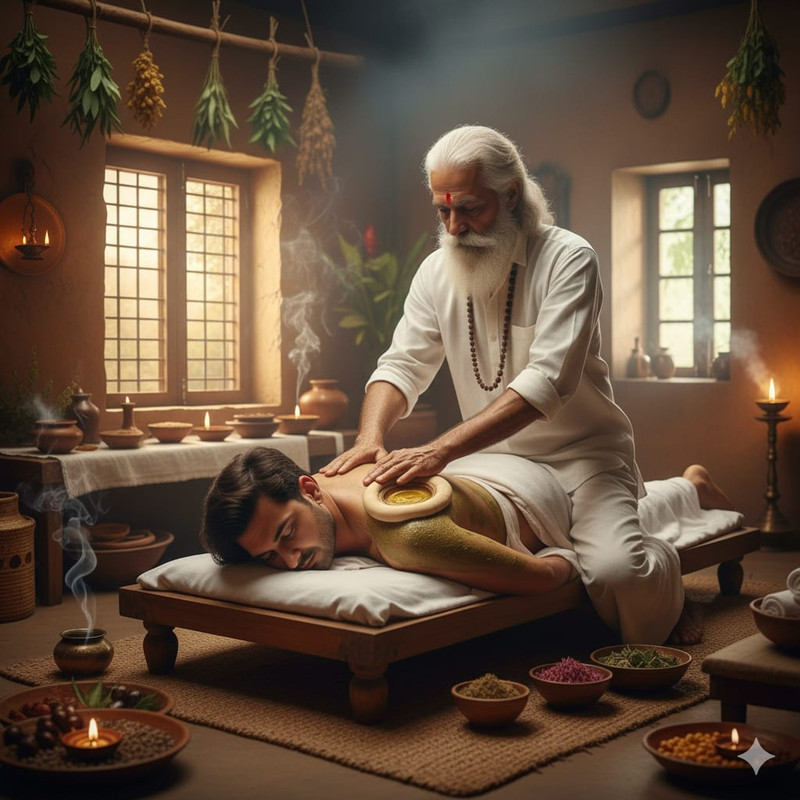
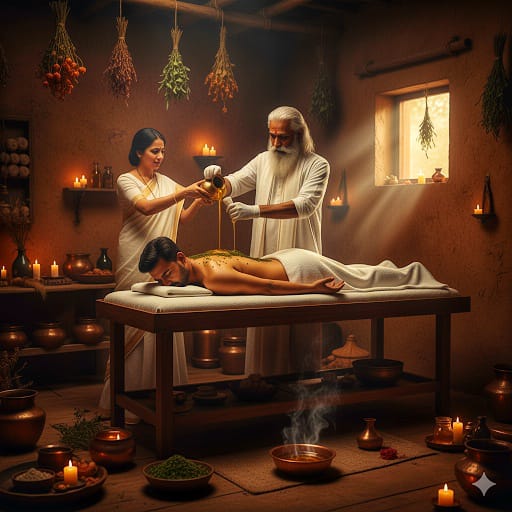
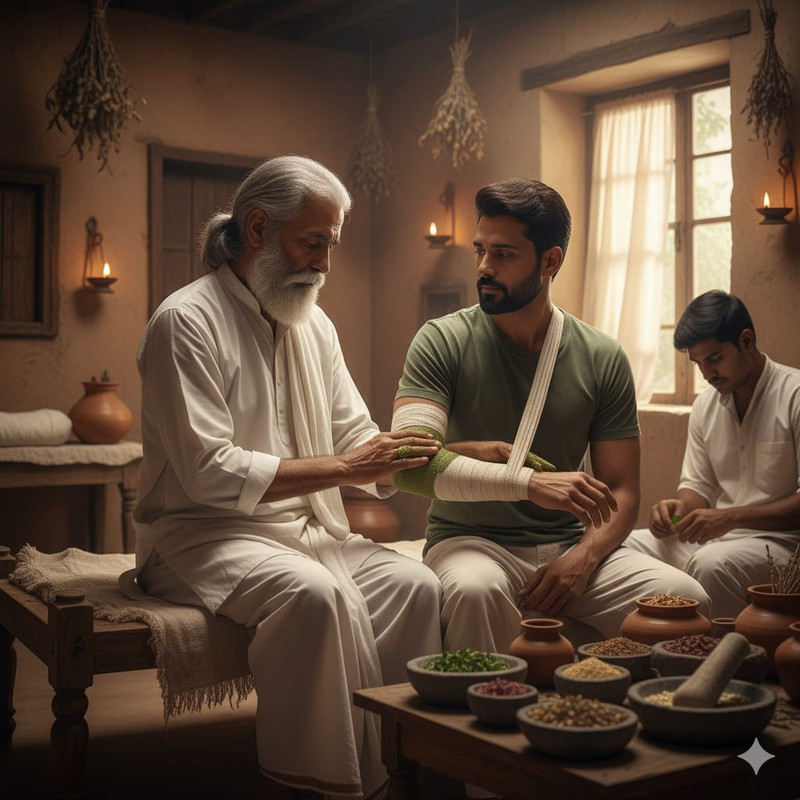
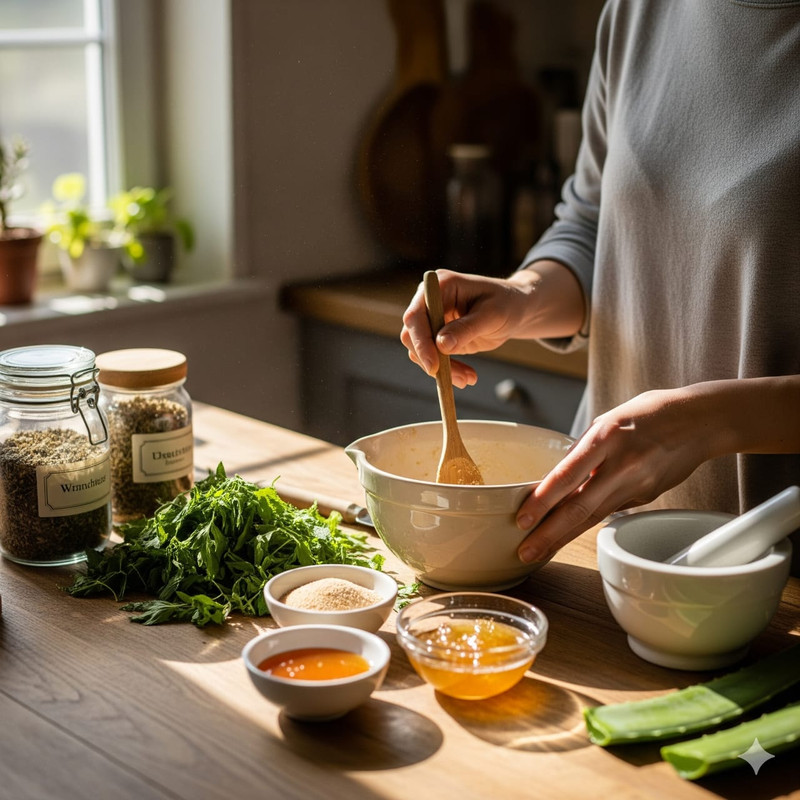
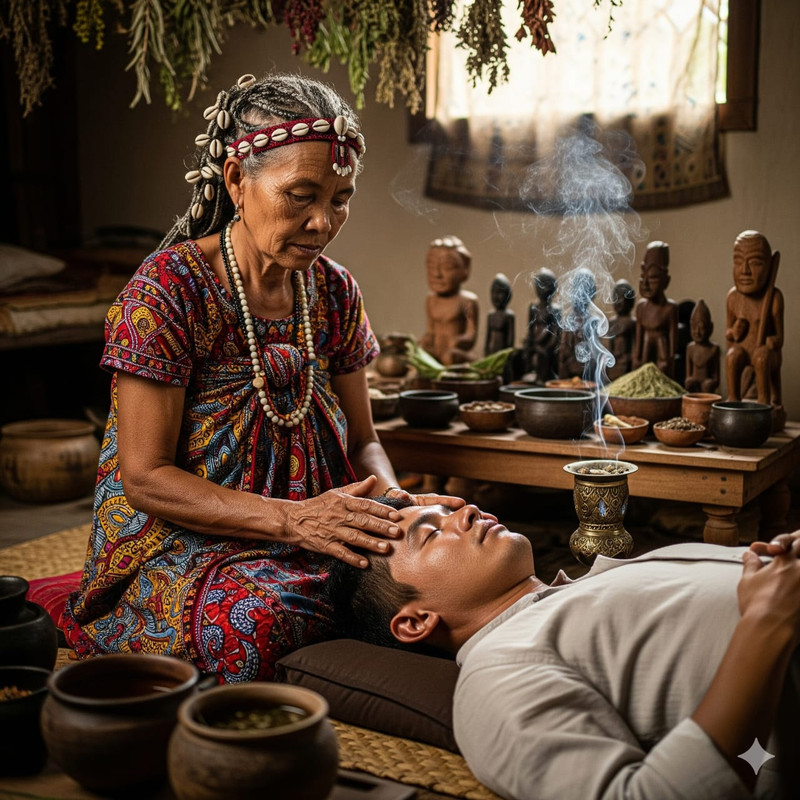
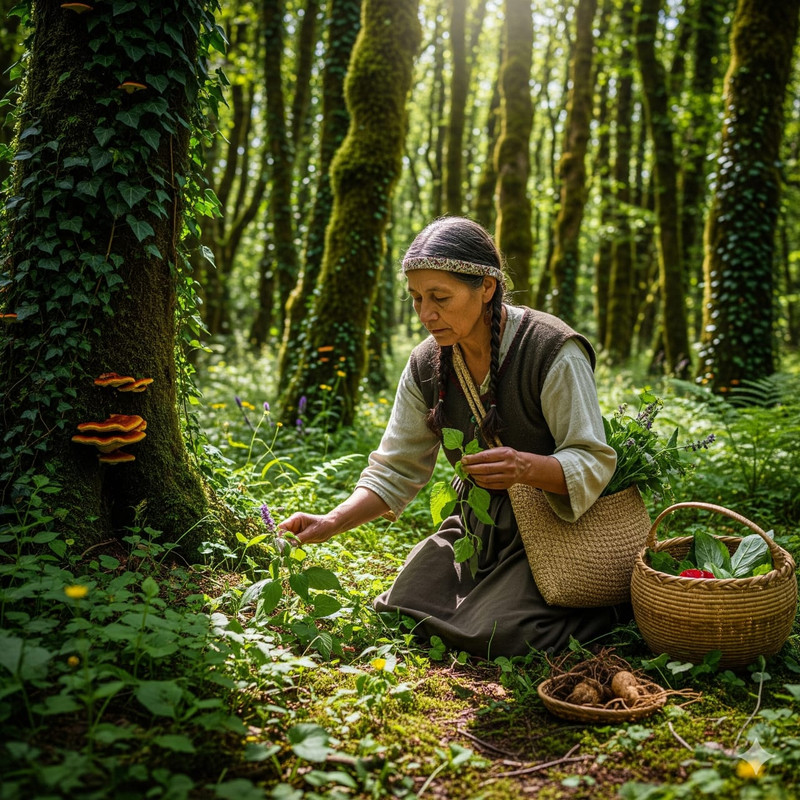
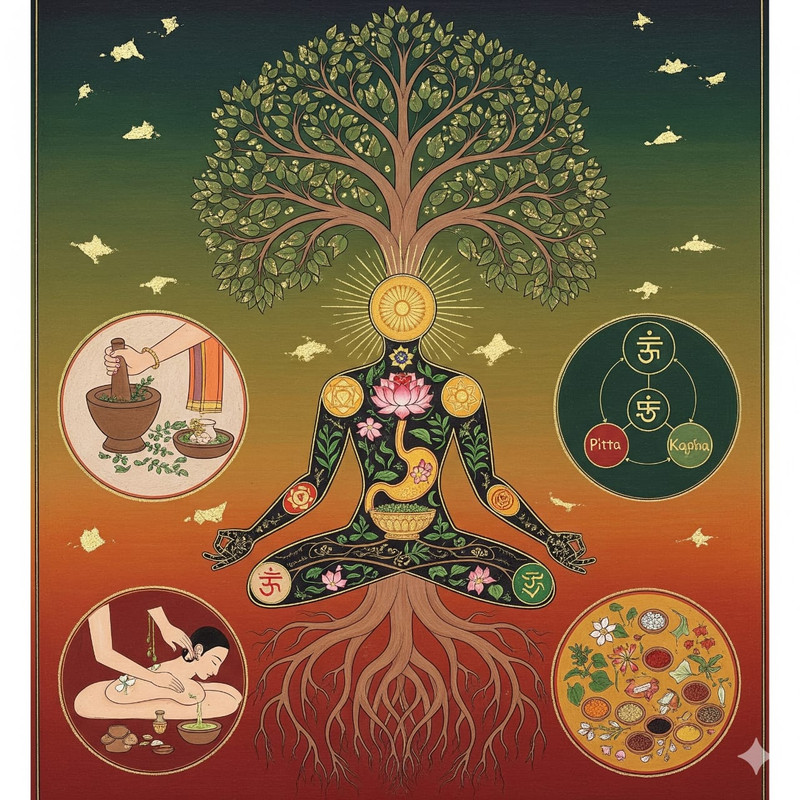
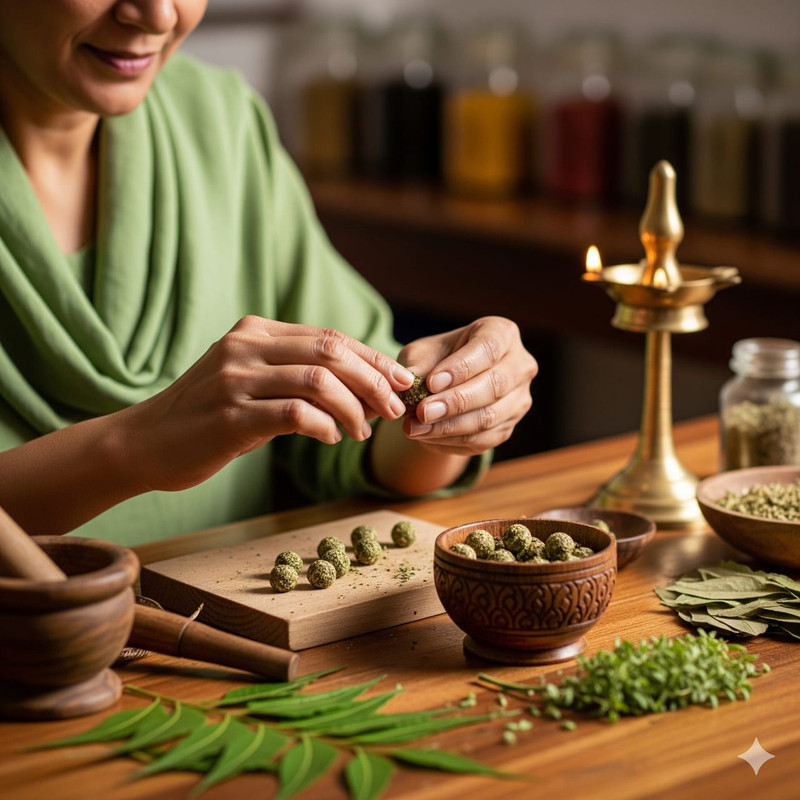
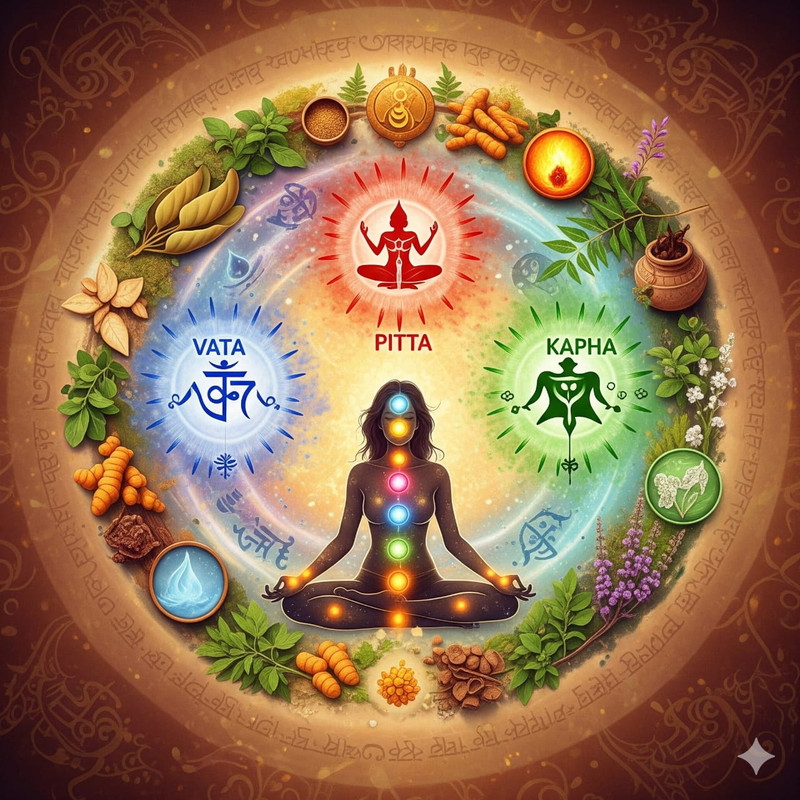
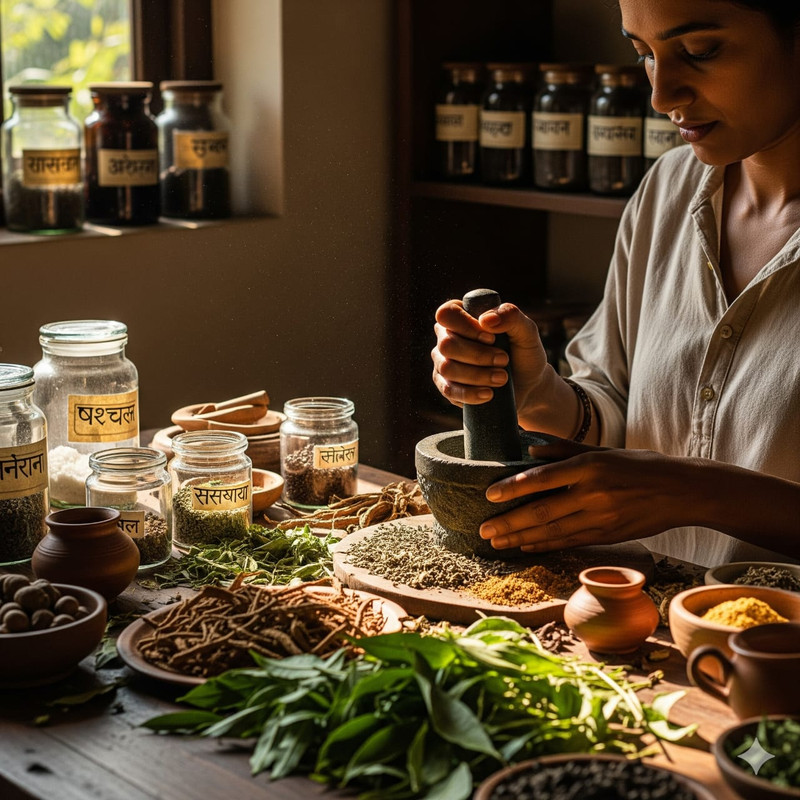
The concept of hospitals is not a product of modern times — its seeds were sown in the Vedic era. Ayurveda's pioneer Dhanvantari and the sages provided knowledge of disease treatment using plants from forests. Initially, medical practice was limited to gurukuls and ashrams, where physicians taught their disciples and treated patients. Gradually, this knowledge spread to households — especially through domestic remedies used by Indian mothers.
During this period, texts like Charaka Samhita and Sushruta Samhita documented medical principles. They also describe early "hospital-like facilities" (such as specialized wards for surgery). This was the period when Ayurveda was advancing toward its Golden Period.
👉 This journey is a story: forest → ashram → state-sponsored hospitals → universities — where India’s Ancient Hospital System became a model for the world.
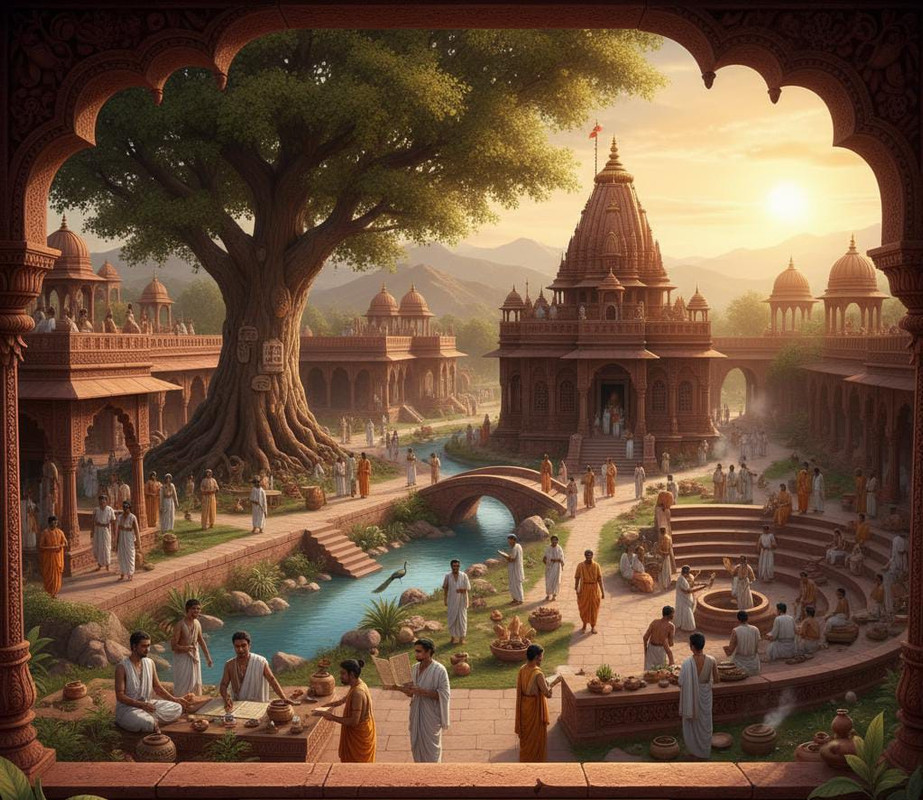
📖 1. Vedic Era — Beginning with Ashrams 🌱
- Hospitals did not exist as separate buildings; ashrams and gurukuls were the centers of medical treatment and education.
- Sushruta Samhita (Sutrasthana 9.3–9.6, Bhishagratna ed. 1907, Vol I, p. 67–70) states that disciples practiced surgery on fruits, vegetables, and leather.
- Ashtavidha Shastra-Karma (chhedana, bhedana, lekhana, eshana, aharana, visravana, sevana) provides evidence of structured surgical training and primitive hospital-like wards.
- Charaka Samhita (Sutrasthana 30.26–30, Trikamji Acharya ed. 1941, p.187) mentions physician qualities, staff responsibilities, and patient-care ethics — an early hospital management system.
🏛️ 2. Central India — Contribution of Kingdoms (Magadh, Kosala, Avanti) 🌾
- Arogya-sala (health centers) were established, where physicians, disciples, and assistants worked as a team.
- Facilities included separate wards for warriors, herbal storage (ausadhi-bhandar), patient rest rooms, and training areas.
- Arthashastra (Book 2, Ch. 36, Shamasastry 1915, p.119–121) mentions the Arogya Adhyaksha (Superintendent of Health) managing public health and medicines.
- Excavations at Takshashila and Ujjain show integrated education + public healthcare.
🪨 3. Maurya Empire — Ashoka’s Institutional Reforms (3rd BCE) 🌿
- Ashoka’s Rock Edicts (Corpus Inscriptionum Indicarum, Vol I, 1955, p.33–34) state:
“Arrangements were made everywhere for medical treatment of humans and animals, and for planting medicinal herbs wherever they were not available.” - This is considered the world’s first state-sponsored free healthcare model.
- Roadside wells, shelters, and medicinal plantations were established to improve healthcare accessibility.
🕊️ 4. Buddhist Viharas — Monastic Healthcare Contribution 🏫
- Vinaya Pitaka (Mahavagga VI.14.5, PTS ed. 1881, p.289) mentions Buddha said: “He who serves a sick monk serves me.”
- Physician Jīvaka Komārabhacca provided free medical services to Buddha and the Sangha and donated his Jīvakarāma mango grove as a hospital-cum-care center.
- Excavations in Sri Lanka (Anuradhapura, 4th BCE onwards) show infirmaries (gilana-sala) inside monasteries treating both monks and laypeople.
👉 This made healthcare a social + spiritual service.
🧘 5. Patanjali’s Yogic Healthcare Model 🕉️
- Maharishi Patanjali (2nd BCE) in his Yoga Sutras gave a holistic approach to healthcare — purifying body, mind, and soul.
- Yoga Sutra II.40–45 (Vyasa-bhashya) describes:
- Shaucha (II.40) → physical cleanliness for sensory perfection.
- Santosha (II.42) → mental health and happiness.
- Tapas (II.43) → discipline strengthening body-mind.
- Swadhyaya (II.44) → study for knowledge and mental purity.
- Ishwar-pranidhan (II.45) → spiritual balance.
- These sutras indicate that healthcare is not only for the patient’s body but holistic health (body + mind + soul).
🌟 6. Golden Age — From Gupta to Nalanda (4th–6th CE) ✨
- Charaka-Sushruta redactions expanded during this era — structured hospital systems and specialization mentioned.
- Fa-Hien (5th CE) noted that city hospitals provided free food and medicine to the poor and travelers (Record of Buddhist Kingdoms, Ch.39).
- Xuanzang (7th CE) described Nalanda having 10,000 students and 2,000 teachers with medical studies as a major subject (Si-Yu-Ki, Book II).
- Excavations at Nalanda University revealed gilana-sala (infirmary), ausadhi-bhandar (medicine store), patient wards — an early model of modern teaching hospitals.
- Staff structure: Physician → Students → Nurses → Assistants.
🌍 7. Global Influence & Legacy
- During the Gupta era, Ayurveda texts were translated into China, Tibet, and Sri Lanka.
- Arab scholars (Al-Razi, Ibn Sina) studied Charaka-Sushruta and integrated the knowledge into their treatises.
- Nalanda and Takshashila are considered the world’s first integrated medical universities — combining education, research, and hospital practice.
🔗 Conclusion — Legacy of Ancient Hospital System 🕉️🏥
After the Gupta era, India’s hospital management system became a comprehensive healthcare ecosystem integrating education, research, patient-care, and social responsibility. Universities like Nalanda and Takshashila organized this system, providing students with both theoretical and practical hospital experience.
👉 This integrated model made India a global healthcare leader, influencing China, Tibet, Sri Lanka, and the Islamic world. This is why ancient India is regarded as “Vishwa Guru” — where education and medicine reached their highest excellence. ✨
हिंदी में
🏥 प्राचीन अस्पताल प्रणाली — प्राचीन भारत का स्वास्थ्य मॉडल
🌿 परिचय
अस्पताल का विचार आज के आधुनिक युग की खोज नहीं है — इसका बीज वैदिक युग में ही बोया गया था। आयुर्वेद के आदिदेव धन्वंतरि और ऋषि-मुनियों ने जंगल की वनस्पतियों से रोग निवारण का ज्ञान दिया। प्रारंभिक दौर में चिकित्सा गुरुकुल और आश्रमों तक सीमित थी, जहाँ वैद्य अपने शिष्यों को शिक्षा देते और रोगियों का इलाज करते थे। धीरे-धीरे यह ज्ञान घर-घर तक पहुँच गया — विशेषकर भारतीय माताओं के घरेलू उपायों के माध्यम से।
इस दौरान, चरक संहिता और सुश्रुत संहिता जैसे ग्रंथों ने चिकित्सा के सिद्धांत लिखित किए। इनमें एक प्रकार की “अस्पताल जैसी सुविधाओं” का भी वर्णन मिलता है (जैसे शल्य चिकित्सा के लिए विशेष कक्ष)। यह वह अवधि थी जब आयुर्वेद अपने स्वर्णिम काल की ओर प्रगति कर रहा था।
👉 यह यात्रा एक कहानी है: जंगल → आश्रम → राज्य-प्रायोजित अस्पताल → विश्वविद्यालय — जिसमें भारत की प्राचीन अस्पताल प्रणाली विश्व के लिए एक मॉडल बनी।
📖 1. वैदिक युग — आश्रम से शुरुआत 🌱
- अस्पताल अलग इमारत के रूप में नहीं थे; आश्रम और गुरुकुल ही चिकित्सा और शिक्षा के केंद्र थे।
- सुश्रुत संहिता (सूत्रस्थान 9.3–9.6, भिषगरत्न संस्करण 1907, खंड I, पृ. 67–70) में लिखा है कि शिष्य फलों, सब्जियों और चमड़े पर शल्य अभ्यास करते थे।
- अष्टविध शस्त्र-कर्म (छेदन, भेदन, लेखन, एषण, आहरण, विस्रवण, सेवन) संरचित शल्य प्रशिक्षण और प्रारंभिक अस्पताल जैसी वार्ड का प्रमाण देते हैं।
- चरक संहिता (सूत्रस्थान 30.26–30, त्रिकमजी आचार्य संस्करण 1941, पृ.187) में वैद्य के गुण, स्टाफ की जिम्मेदारी और रोगी-देखभाल नैतिकता का उल्लेख है — जो एक प्रारंभिक अस्पताल प्रबंधन प्रणाली थी।
🏛️ 2. मध्य भारत — राज्यों का योगदान (मगध, कोशल, अवंती) 🌾
- यहाँ आरोग्य-साला (स्वास्थ्य केंद्र) बने जहाँ वैद्य, शिष्य और सहायक एक टीम के रूप में कार्य करते थे।
- सुविधाएँ: योद्धाओं के लिए अलग वार्ड, औषधि-भंडार, रोगियों के विश्राम कक्ष और प्रशिक्षण क्षेत्र।
- अर्थशास्त्र (पुस्तक 2, अध्याय 36, शमशास्त्री 1915, पृ.119–121) में आरोग्य अधिकारी का उल्लेख है जो सार्वजनिक स्वास्थ्य और औषधियों का प्रबंधन करता था।
- खुदाई (तक्षशिला, उज्जैन) से प्रमाण मिलता है कि शिक्षा + सार्वजनिक स्वास्थ्य एक साथ एकीकृत थे।
🪨 3. मौर्य साम्राज्य — अशोक का संस्थागत बदलाव (3rd BCE) 🌿
- अशोक के शिलालेख (Corpus Inscriptionum Indicarum, Vol I, 1955, पृ.33–34) में लिखा है:
“मानव और पशुओं के चिकित्सा उपचार के लिए हर जगह व्यवस्था की गई और जहां औषधीय जड़ी-बूटियाँ उपलब्ध नहीं थीं वहां पौधारोपण किया गया।” - यह दुनिया का पहला राज्य-प्रायोजित मुफ्त स्वास्थ्य सेवा मॉडल माना जाता है।
- सड़कों के किनारे कुएँ, आश्रय और औषधीय वृक्षारोपण स्वास्थ्य सेवा की पहुँच के लिए बनाए गए।
🕊️ 4. बौद्ध विहार — मोनास्टिक स्वास्थ्य योगदान 🏫
- विनय पिटक (महावग्ग 6.14.5, PTS संस्करण 1881, पृ.289) में बुद्ध ने कहा: “जो बीमार भिक्षु की सेवा करता है, वह मेरी सेवा करता है।”
- वैद्य जीवक कुमारभज्ज ने बुद्ध और संघ के लिए मुफ्त चिकित्सा सेवाएँ दी और अपना जीवकाराम आम का बगीचा अस्पताल-सी-केंद्र के रूप में दान किया।
- श्रीलंका (अनुराधपुरा, 4th BCE से आगे) खुदाई: विहारों में इनफर्मरी (गिलाना-साला) मिली जहाँ भिक्षु और जनता दोनों का इलाज होता था।
👉 यह स्वास्थ्य सेवा को एक सामाजिक + आध्यात्मिक सेवा बनाता है।
🧘 5. पतंजलि का योगिक चिकित्सा मॉडल 🕉️
- महर्षि पतंजलि (2nd BCE) ने अपने योग सूत्र में चिकित्सा को समग्र दिशा दी — शरीर, मन और आत्मा की शुद्धि के माध्यम से।
- योग सूत्र II.40–45 (व्यास-भाष्य) में लिखा है:
- शौच (II.40) → शरीर की स्वच्छता से इन्द्रिय सिद्धि।
- संतोष (II.42) → मानसिक स्वास्थ्य और सुख।
- तपस् (II.43) → अनुशासन से शरीर-मन की शक्ति।
- स्वाध्याय (II.44) → अध्ययन से ज्ञान और मानसिक शुद्धि।
- ईश्वर-प्रणिधान (II.45) → आध्यात्मिक संतुलन।
- ये सूत्र बताते हैं कि चिकित्सा केवल रोगी के शरीर के लिए नहीं, बल्कि समग्र स्वास्थ्य (शरीर + मन + आत्मा) है।
🌟 6. स्वर्ण युग — गुप्ता से नालंदा तक (4th–6th CE) ✨
- चरक-सुश्रुत संस्करण इस युग में विस्तारित हुए — संरचित अस्पताल प्रणाली और विशेषज्ञता का उल्लेख मिला।
- फा-हेन (5th CE) लिखते हैं: नगर के अस्पतालों में गरीब और यात्रियों को मुफ्त भोजन + औषधियाँ मिलती थीं (Record of Buddhist Kingdoms, Ch.39)।
- श्युआनजांग (7th CE) लिखते हैं: नालंदा में 10,000 छात्र और 2,000 शिक्षक थे — जिसमें चिकित्सा अध्ययन एक प्रमुख विषय था (Si-Yu-Ki, Book II)।
- नालंदा विश्वविद्यालय के खुदाई में गिलाना-साला (इनफर्मरी), औषधि-भंडार, रोगी वार्ड मिले — यह आधुनिक शिक्षण अस्पताल का प्रारंभिक मॉडल था।
- स्टाफ संरचना: वैद्य → शिष्य → परिचारिका → सहायक।
🌍 7. वैश्विक प्रभाव और विरासत
- गुप्तकाल के दौरान आयुर्वेद के ग्रंथों का चीन, तिब्बत, श्रीलंका में अनुवाद हुआ।
- अरब विद्वानों (अल-रज़ी, इब्न सीना) ने चरक-सुश्रुत का अध्ययन किया और अपने ग्रंथों में शामिल किया।
- नालंदा और तक्षशिला को दुनिया के पहले एकीकृत चिकित्सा विश्वविद्यालय माना जा सकता है — जहाँ शिक्षा + अनुसंधान + अस्पताल अभ्यास एक साथ होता था।
🔗 निष्कर्ष — प्राचीन अस्पताल प्रणाली की विरासत 🕉️🏥
गुप्तकाल और उसके बाद, भारत की अस्पताल प्रबंधन प्रणाली एक समग्र स्वास्थ्य प्रणाली बन गई — जिसमें शिक्षा, अनुसंधान, रोगी देखभाल और सामाजिक जिम्मेदारी एक साथ एकीकृत थे। नालंदा और तक्षशिला जैसे विश्वविद्यालयों ने इसे और व्यवस्थित बनाया, जहाँ छात्रों को सैद्धांतिक ज्ञान के साथ व्यावहारिक अस्पताल अनुभव भी मिलता था।
👉 इस एकीकृत मॉडल ने भारत को विश्व का स्वास्थ्य नेता बनाया और इसका प्रभाव चीन, तिब्बत, श्रीलंका और इस्लामी दुनिया तक पहुँचा। इसी वजह से प्राचीन भारत को “विश्व गुरु” माना गया — जहाँ शिक्षा और चिकित्सा दोनों एक साथ अपने उच्च शिखर पर थे। ✨















0 Comments